Tolerance Was Never Supposed to Mean Obedience
Tolerance used to describe the mature decision to live alongside people whose beliefs, habits or opinions you disliked. It did not require admiration. It certainly did not require a signed statement confirming that every disagreement had vanished. You tolerated difference precisely because difference remained.
Woke culture has quietly rewritten that bargain. Its version of tolerance is remarkably intolerant of dissent. You may speak, provided you reach the approved conclusion. You may ask questions, provided the questions flatter the ideology. You may be yourself, provided your private judgment does not interrupt somebody else’s public performance.
That is the woke contradiction in one sentence: diversity is celebrated everywhere except in thought. The language is soft — inclusion, safety, kindness, belonging — but the demand underneath it is hard. Agree, affirm and apologise on command, or prepare to be described as the problem.
Where the Argument Goes Wrong
The argument goes wrong when tolerance stops being a reciprocal civic principle and becomes a one-way moral debt. One side receives protection from discomfort; the other side receives instructions. That is not coexistence. It is hierarchy disguised as compassion.
A genuinely diverse society will contain religious believers and atheists, traditionalists and progressives, sceptics and enthusiasts. No institution can make all of those convictions agree. It can only set fair rules for behaviour and protect everyone’s freedom to reach different conclusions.
Agreement Is Being Confused With Respect
Respect concerns how we treat people; agreement concerns what we believe. Woke etiquette deliberately blurs the two, so declining to endorse an idea is presented as refusing another person’s humanity. That distinction matters because a healthy culture can share a decent goal while arguing honestly about the method. Ideology skips that work. It declares one approved answer, then treats questions about evidence or consequences as proof of bad character.
Once belief becomes mandatory, ordinary politeness is no longer enough. Employees, pupils and customers are expected to perform enthusiasm, even when their honest view is uncertain or opposed. The immediate result is a quieter room and a worse decision. Sensible objections stay private, activists mistake silence for agreement, and a weak proposal survives because questioning it appears personally expensive.
Keep the boundary clear: protect people from mistreatment, not ideas from examination. A person can be treated with dignity without being granted control over another person’s convictions. A better test is simple: name the goal, show the evidence and apply the same rule to everybody. If an idea cannot survive those three steps, moral urgency does not rescue it; it only hides the weakness for longer.

The Approved Vocabulary Never Stops Changing
Compulsory agreement becomes especially unreasonable when the correct language changes faster than normal people can follow. Yesterday’s respectful term can become today’s evidence of ignorance with almost no warning. Most people notice the problem long before institutions admit it. They hear the official slogan, compare it with ordinary experience and sense that something does not add up. The pressure to ignore that gap is where the trouble begins.
This creates a culture of nervous imitation rather than understanding. People memorise phrases to avoid trouble, while resentment grows beneath the rehearsed language. Over time, trust drains away. People learn that the stated rule is not the real rule; the real rule is to read the politics of the room and avoid becoming its next example.
Judge obvious intent and behaviour before policing minor verbal mistakes. Good-faith conversation survives correction; ideological enforcement turns every correction into a public trial. The repair begins with viewpoint neutrality. Protect the right to speak for people you dislike, measure everyone by the same standard and let evidence outrank fashionable vocabulary.
Empathy Is Applied Selectively
Woke tolerance often extends limitless empathy to approved groups while treating sceptics as caricatures. Their motives are assumed, their concerns dismissed and their livelihoods treated as acceptable collateral damage. There is nothing radical about asking whether a rule works. The radical move is insisting that the rule must be praised before its results can be examined. That reverses the proper order of public reasoning.
Selective empathy destroys the moral credibility of the whole project. People quickly notice when compassion operates like a party membership benefit rather than a human principle. The cost lands on ordinary people first. Leaders can move on to the next slogan, but workers, customers, parents and pupils must live with the confusion that the slogan leaves behind.
Apply charity in both directions. Ask what a critic actually means, answer the strongest version of the objection and refuse to turn disagreement into a diagnosis of moral sickness. Where a genuine unfairness exists, address it directly and measure the result. Broad ideological rituals often flourish precisely because they are easier to announce than a specific problem is to solve.

Dissent Is Rebranded as Danger
A political argument becomes impossible when mere exposure to an opposing view is described as unsafe. Safety is a vital word for threats and abuse; using it for disagreement inflates discomfort into emergency. An open society needs room for awkward questions, imperfect language and changed minds. When ideological etiquette removes that room, it does not create harmony. It creates a polished performance of agreement.
Institutions then feel justified in cancelling speakers, disciplining staff or removing material without proving any concrete harm. The language of protection becomes a shortcut around debate. It also rewards the least reasonable participant. The person most willing to claim offence gains a veto, while everyone capable of compromise is told to wait quietly. Predictably, more people learn to escalate.
Reserve safety rules for genuine threats, harassment and unlawful conduct. Offensive opinions should be answered, mocked or ignored — not confused with physical danger. People should be free to change their minds without humiliation. A culture that allows correction will learn; a culture that demands flawless ideological performance will merely become better at hiding its errors.
Real Pluralism Is Messy by Design
A free society is not a group photograph in which everyone has been instructed to smile. It is a permanent negotiation between people who differ, sometimes sharply, yet accept limits on their power over one another. Woke politics often advertises itself as an update to basic decency. The difficulty is that decency is universal, while ideological rules are frequently selective. They protect approved sensitivities and ignore inconvenient ones.
Trying to eliminate that mess merely drives disagreement underground. Public conformity increases while private anger hardens, leaving institutions surprised when the backlash finally becomes visible. Bad incentives rarely stay contained. Once outrage earns attention and compliance, outrage becomes a career skill. The language becomes hotter even when the underlying problem becomes smaller.
Choose pluralism over purity. Set narrow rules for conduct, permit broad freedom of belief and remember that coexistence is most valuable when agreement is impossible. Common sense asks what behaviour a rule encourages, not what emotion inspired it. That single shift exposes many fashionable policies that feel virtuous at launch and become absurd in practice.
The Strongest Defence — and Why It Still Falls Short
Supporters will say that the new rules are simply an attempt to make previously excluded people feel welcome. That aim can be sincere, and exclusion can be real. Nobody needs to deny either point in order to question the method.
The problem is that belonging created through compelled agreement is fragile and dishonest. It welcomes one person by making another conceal a lawful belief. A better institution protects equal participation without demanding ideological declarations from anyone.
Five Reality Checks Worth Applying
Before accepting the fashionable answer on the woke demand for compulsory agreement, strip away the moral branding and test the proposal as you would any other claim. These checks do not decide every argument automatically, but they force hidden assumptions and trade-offs into the open.
1. The consistency check: Would the rule still seem fair if political roles were reversed? Apply it to both “Agreement Is Being Confused With Respect” and “Dissent Is Rebranded as Danger”. A principle that becomes unacceptable when an opponent controls it is probably a temporary weapon, not a standard anyone should trust.
2. The evidence check: What observable fact would show that the policy is working, and what result would show that it is failing? If supporters interpret every possible outcome as confirmation, the claim has escaped the world of evidence and entered the safer territory of faith.
3. The incentive check: Ask what behaviour the system rewards. Does it encourage honesty, competence and resolution, or does it make grievance, silence and ideological performance more valuable? People respond to incentives even when the programme describing those incentives uses compassionate language.
4. The proportion check: Compare the proven conduct with the proposed consequence. Woke disputes often jump from a disputed phrase to the language of danger, exclusion or permanent unfitness. Civilised judgment needs a scale; without one, every disagreement becomes an excuse for maximum pressure.
5. The completion check: What would success look like, and could the people running the policy ever admit that the job was finished? A reform that can only expand will eventually serve its administrators more reliably than the public. Worthy causes should be capable of winning.
The Common-Sense Alternative
Rejecting the woke demand for compulsory agreement does not mean rejecting compassion, fairness or equal dignity. It means refusing to let good words excuse bad reasoning. A more durable approach begins with a few standards that work regardless of who currently holds cultural power.
- Separate conduct from belief: Punish harassment or exclusion when it occurs, but do not police private conclusions.
- Use one standard: Protect the freedom of allies and opponents with equal seriousness.
- Assume good faith first: A clumsy phrase is not automatically evidence of hatred.
- Keep safety meaningful: Do not use the language of danger to avoid ordinary disagreement.
- Permit neutrality: Nobody should be forced to endorse a political position to prove basic decency.
None of these principles promises a world without offence or conflict. That is not a serious promise. They offer something better: rules that ordinary people can understand, institutions can apply consistently and opponents can challenge without fear.
Frequently Asked Questions
1. Is tolerance the same as approving every belief?
No. Tolerance only has meaning when disapproval remains possible. It is the decision to respect another person’s freedom despite disagreement, not the elimination of disagreement itself.
2. Can words cause genuine harm?
Threats, targeted harassment and deliberate humiliation can cause harm and can be addressed with clear rules. That does not justify treating every disputed opinion or accidental phrase as abuse.
3. Why do institutions prefer compulsory agreement?
It looks tidy. A prescribed vocabulary is easier to administer than genuine pluralism. Unfortunately, administrative neatness can conceal distrust, self-censorship and resentment.
4. What does real inclusion require?
Equal access, fair treatment and room for different lawful beliefs. Inclusion becomes exclusion under another name when only one political worldview may be expressed.
Tolerance Needs Disagreement to Mean Anything
The great irony of woke tolerance is that it removes the very difference tolerance was designed to manage. If everyone must agree, nobody is being tolerant; they are simply obeying.
We do not need colder public life. We need thicker skin, clearer rules and more confidence in the ability of adults to disagree without becoming enemies. Kindness matters. So does honesty. A culture that sacrifices either one will eventually lose both.
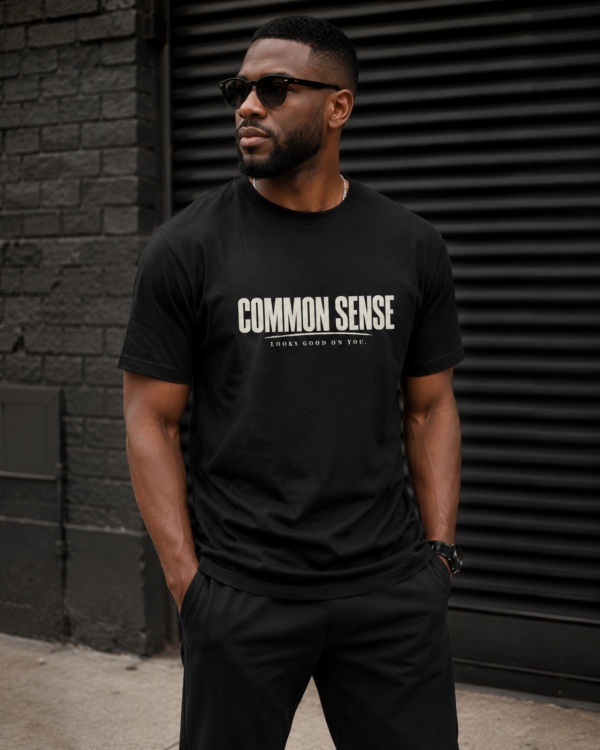
Rise & Defy exists for people who prefer honest arguments to approved scripts. If that sounds like you, explore the OFFENDED ≠ OPPRESSED T-Shirt or browse the complete Rise & Defy collection. Wear what you mean. Think for yourself.