Nobody Buys a Cinema Ticket to Attend Mandatory Training
Stories have always carried ideas. The best films, books, games and television can change how people see courage, loyalty, power or injustice. They achieve that effect by making audiences care about characters and consequences, not by placing a lecture between the opening credits and the merchandise deal.
Woke entertainment reverses the order. The approved message is selected first; characters are then arranged to deliver it. Heroes possess the correct politics, villains carry the objections and dialogue sounds as though it escaped from an internal training deck.
Audiences sense the substitution immediately. They may not object to the underlying cause at all. They object to paying for a story that treats curiosity as a weakness and the viewer as a pupil who must be corrected.

Where the Argument Goes Wrong
Art is not required to be politically neutral, and challenging work can be deliberately uncomfortable. The problem is not the presence of politics. It is the absence of artistic confidence.
A genuine story allows motives to clash, good people to be mistaken and difficult choices to retain their difficulty. Propaganda cannot permit that ambiguity because the lesson must remain clean.
The Message Arrives Before the Character
Ideological writing begins with the social position a character must represent. Personality, contradiction and humour are added later, if there is room after the talking points. That distinction matters because a healthy culture can share a decent goal while arguing honestly about the method. Ideology skips that work. It declares one approved answer, then treats questions about evidence or consequences as proof of bad character.
The result feels synthetic. Viewers encounter symbols wearing costumes rather than people whose decisions generate a story, so emotional investment never forms. The immediate result is a quieter room and a worse decision. Sensible objections stay private, activists mistake silence for agreement, and a weak proposal survives because questioning it appears personally expensive.
Write the individual first. A convincing character can embody an idea, reject it, misunderstand it or change; they should never exist merely to certify the writer’s virtue. A better test is simple: name the goal, show the evidence and apply the same rule to everybody. If an idea cannot survive those three steps, moral urgency does not rescue it; it only hides the weakness for longer.
Approved Heroes Do Not Need to Grow
A character designed to model the correct worldview often begins morally complete. Their difficulties are caused by the prejudice or ignorance of everyone around them rather than by any flaw of their own. Most people notice the problem long before institutions admit it. They hear the official slogan, compare it with ordinary experience and sense that something does not add up. The pressure to ignore that gap is where the trouble begins.
Drama disappears because growth requires error, responsibility and change. An invulnerable moral symbol may win every argument while losing the audience’s interest. Over time, trust drains away. People learn that the stated rule is not the real rule; the real rule is to read the politics of the room and avoid becoming its next example.
Allow every important character agency and imperfection. Respectful representation includes the freedom to be funny, selfish, mistaken, brave and fully human. The repair begins with viewpoint neutrality. Protect the right to speak for people you dislike, measure everyone by the same standard and let evidence outrank fashionable vocabulary.
Tokenism Hides Behind Representation
Studios can assemble a visibly diverse cast while giving each member the safest possible identity-approved role. Appearance changes; narrative imagination remains timid. There is nothing radical about asking whether a rule works. The radical move is insisting that the rule must be praised before its results can be examined. That reverses the proper order of public reasoning.
Performers and audiences receive representation without individuality. Characters become predictable because demographic identity announces their politics, virtue and function before they speak. The cost lands on ordinary people first. Leaders can move on to the next slogan, but workers, customers, parents and pupils must live with the confusion that the slogan leaves behind.
Seek range rather than a checklist. People from every background deserve surprising roles, conflicting beliefs and stories that are not permanently organised around explaining their identity. Where a genuine unfairness exists, address it directly and measure the result. Broad ideological rituals often flourish precisely because they are easier to announce than a specific problem is to solve.

Critics Blame the Audience
When a heavily promoted project fails, its defenders may accuse viewers of prejudice instead of considering poor writing, weak pacing or franchise fatigue. Consumer rejection is reclassified as a moral defect. An open society needs room for awkward questions, imperfect language and changed minds. When ideological etiquette removes that room, it does not create harmony. It creates a polished performance of agreement.
The industry loses useful feedback and insults the people it needs to win back. Marketing briefly protects the creators from criticism while making the brand less trusted. It also rewards the least reasonable participant. The person most willing to claim offence gains a veto, while everyone capable of compromise is told to wait quietly. Predictably, more people learn to escalate.
Treat the audience’s time and money as voluntary. Listen to specific criticism, compare similar successes and remember that nobody has a civic duty to enjoy a product. People should be free to change their minds without humiliation. A culture that allows correction will learn; a culture that demands flawless ideological performance will merely become better at hiding its errors.
Great Art Trusts the Viewer
Powerful stories rarely explain every moral conclusion. They present choices, costs and contradictions, leaving the audience enough room to argue after the ending. Woke politics often advertises itself as an update to basic decency. The difficulty is that decency is universal, while ideological rules are frequently selective. They protect approved sensitivities and ignore inconvenient ones.
Activist entertainment fears that freedom because viewers may reach an unapproved interpretation. It therefore over-explains, turning subtext into dialogue and ambiguity into a compliance risk. Bad incentives rarely stay contained. Once outrage earns attention and compliance, outrage becomes a career skill. The language becomes hotter even when the underlying problem becomes smaller.
Make the case through consequences rather than sermons. If the idea has strength, it can survive characters who question it and viewers who leave with different conclusions. Common sense asks what behaviour a rule encourages, not what emotion inspired it. That single shift exposes many fashionable policies that feel virtuous at launch and become absurd in practice.
The Strongest Defence — and Why It Still Falls Short
Supporters often say complaints about woke entertainment are simply resistance to seeing unfamiliar people on screen. That accusation sometimes fits individual reactions, but it cannot explain why diverse stories with strong characters attract enormous audiences.
Viewers usually accept novelty when they are invited into a compelling world. What they reject is contempt, predictability and the sense that casting or dialogue exists to win a political argument outside the story.
Five Reality Checks Worth Applying
Before accepting the fashionable answer on woke entertainment activism, strip away the moral branding and test the proposal as you would any other claim. These checks do not decide every argument automatically, but they force hidden assumptions and trade-offs into the open.
1. The consistency check: Would the rule still seem fair if political roles were reversed? Apply it to both “The Message Arrives Before the Character” and “Critics Blame the Audience”. A principle that becomes unacceptable when an opponent controls it is probably a temporary weapon, not a standard anyone should trust.
2. The evidence check: What observable fact would show that the policy is working, and what result would show that it is failing? If supporters interpret every possible outcome as confirmation, the claim has escaped the world of evidence and entered the safer territory of faith.
3. The incentive check: Ask what behaviour the system rewards. Does it encourage honesty, competence and resolution, or does it make grievance, silence and ideological performance more valuable? People respond to incentives even when the programme describing those incentives uses compassionate language.
4. The proportion check: Compare the proven conduct with the proposed consequence. Woke disputes often jump from a disputed phrase to the language of danger, exclusion or permanent unfitness. Civilised judgment needs a scale; without one, every disagreement becomes an excuse for maximum pressure.
5. The completion check: What would success look like, and could the people running the policy ever admit that the job was finished? A reform that can only expand will eventually serve its administrators more reliably than the public. Worthy causes should be capable of winning.
The Common-Sense Alternative
Rejecting woke entertainment activism does not mean rejecting compassion, fairness or equal dignity. It means refusing to let good words excuse bad reasoning. A more durable approach begins with a few standards that work regardless of who currently holds cultural power.
- Story first: An issue should deepen the drama, not replace it.
- Character before category: Write individuals whose identity does not determine every belief.
- Permit flaws: Representation becomes human when characters can fail and grow.
- Trust the audience: Do not explain every approved conclusion.
- Accept voluntary judgment: A viewer who declines a product is not committing a moral offence.
None of these principles promises a world without offence or conflict. That is not a serious promise. They offer something better: rules that ordinary people can understand, institutions can apply consistently and opponents can challenge without fear.
Frequently Asked Questions
1. Does all political entertainment fail?
No. Many brilliant works are political. They succeed through character, conflict, craft and intellectual honesty rather than treating the audience as a captive seminar.
2. Is representation the problem?
No. Thin, ideological writing is the problem. Broader representation should create more varied characters and stories, not a narrower set of approved roles.
3. Why do audiences dislike being lectured?
Entertainment is voluntary. Viewers want discovery and emotion, not the feeling that writers despise them and have designed the story to correct their politics.
4. Can a brand recover after an activist flop?
Yes, by listening without insulting customers, restoring focus to quality and allowing creators to build stories rather than assemble moral checklists.
Make Something Worth Watching
Art does not become brave merely because its politics are fashionable inside the industry. Bravery may mean presenting an unfashionable question, permitting uncertainty or allowing a sympathetic character to hold the wrong view.
Audiences have endless alternatives and no obligation to finance a lecture. The answer is not safer propaganda from the opposite side. It is better entertainment: confident enough to contain ideas without being contained by them.
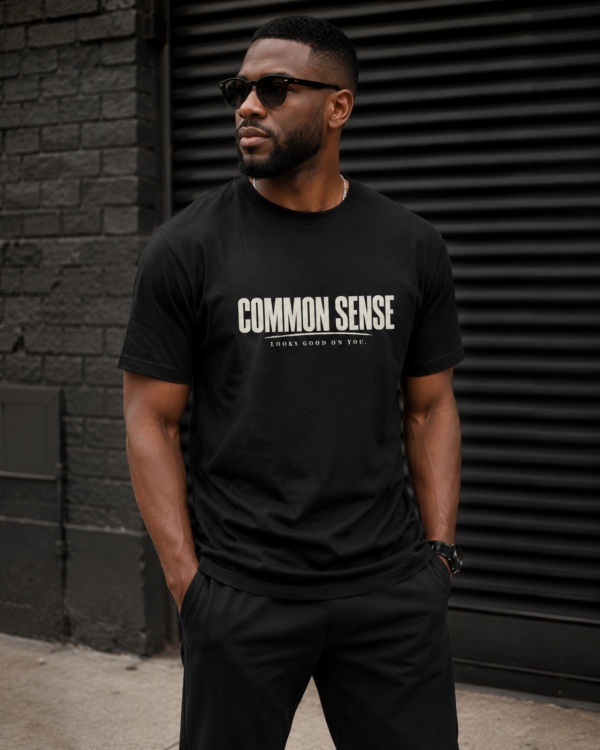
Rise & Defy exists for people who prefer honest arguments to approved scripts. If that sounds like you, explore the WOKE IS A JOKE T-Shirt or browse the complete Rise & Defy collection. Wear what you mean. Think for yourself.