Virtue Is What You Do When Nobody Is Applauding
The internet has made morality unusually visible. A person can announce the correct position, add the approved symbol and receive immediate evidence that others have noticed. The moral statement becomes a public asset.
That does not make every public stance dishonest. People should speak about principles, defend others and challenge wrongdoing. The problem begins when being seen to care becomes more important than doing anything useful.
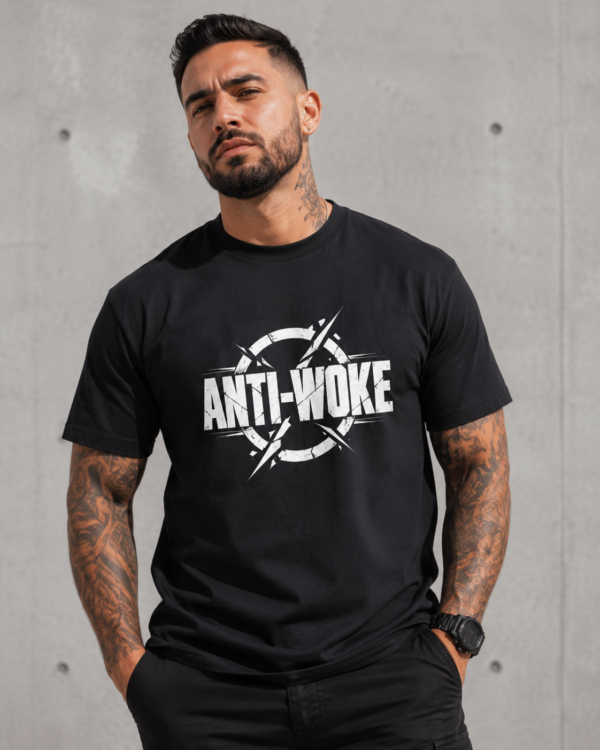
Woke culture is fertile ground for moral grandstanding because it offers a constantly updated set of phrases through which status can be displayed. The performance is cheap, the applause is immediate and the burden of proof is conveniently transferred to anyone who hesitates.
Where the Argument Goes Wrong
Moral grandstanding means using moral talk partly to impress, dominate or improve one’s social rank. Motives are mixed, so the point is not to read every stranger’s soul. It is to notice the incentives a culture creates.
When public righteousness earns influence, people will compete to appear more righteous. The standard escalates, yesterday’s position becomes inadequate and practical compromise begins to look like betrayal.
Statements Replace Sacrifice
Posting a slogan or correcting a stranger is easier than giving time, money or practical help. The visible gesture can still deliver the emotional reward of having contributed. Once status comes from displaying the approved view, the debate changes. People stop asking what is accurate or useful and start asking what they are expected to say. That is public relations, not thought.
Campaigns fill with people performing awareness while unglamorous work remains undone. The cause becomes a stage on which participants display themselves. The loudest campaigners may call that progress, but compliance is not conviction. A person forced to repeat a phrase has not been persuaded; they have merely been taught when to remain silent.
Ask what changed beyond the post. Moral language should point towards conduct, measurable help or a serious argument rather than functioning as a digital badge. People should be free to change their minds without humiliation. A culture that allows correction will learn; a culture that demands flawless ideological performance will merely become better at hiding its errors.

Purity Becomes a Competitive Sport
Once status depends on holding the correct view, participants distinguish themselves by holding a stricter version. Moderation cannot signal commitment as effectively as a new demand or denunciation. The trick is subtle: a debatable claim is wrapped in the language of kindness until disagreement sounds cruel. But good intentions do not make an idea correct, and moral confidence is not a substitute for proof.
Movements radicalise even when their original goals gain public support. Allies become targets because condemning an obvious opponent no longer provides enough distinction. Every exception makes the principle less believable. When standards change according to identity or politics, people stop seeing fairness and start seeing favouritism with better branding.
Value judgment over intensity. The most severe proposal is not automatically the most compassionate, and the loudest participant is not automatically the most committed. Common sense asks what behaviour a rule encourages, not what emotion inspired it. That single shift exposes many fashionable policies that feel virtuous at launch and become absurd in practice.
Public Shaming Advertises the Shamer
Correcting someone privately may solve a problem, but doing it publicly demonstrates the corrector’s values to an audience. The incentive therefore favours spectacle over resolution. This is not a complaint about ordinary courtesy. It is a complaint about turning courtesy into doctrine, doctrine into policy and policy into a loyalty test. Each step makes honest correction harder.
Small misunderstandings become identity-threatening conflicts. People defend themselves more stubbornly because the correction was designed to humiliate rather than persuade. The immediate result is a quieter room and a worse decision. Sensible objections stay private, activists mistake silence for agreement, and a weak proposal survives because questioning it appears personally expensive.
Choose the least theatrical remedy likely to work. If a quiet conversation would fix the issue, a viral denunciation is about something other than kindness. Institutions should return to their actual job. A school should teach, a company should serve customers and a public body should serve the public. Political theatre is not a substitute for competence.
Compassion Becomes Selective
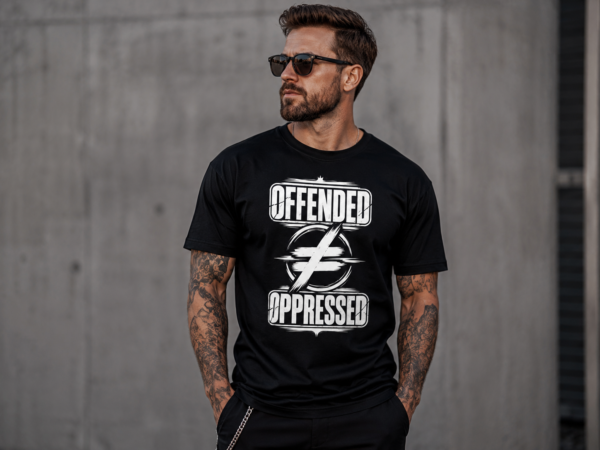
Grandstanders need clear villains. Extending understanding to the accused complicates the performance, so empathy is reserved for whichever side offers the greatest reputational return. The issue is bigger than a silly slogan or an irritating social-media row. Repeated often enough, the habit trains people to judge statements by the speaker’s perceived tribe rather than by whether the statement is true.
Principles become inconsistent and cruelty is excused when directed at an approved target. Observers conclude that the moral language was a weapon rather than a standard. Over time, trust drains away. People learn that the stated rule is not the real rule; the real rule is to read the politics of the room and avoid becoming its next example.
Apply humane limits even to opponents. A principle that disappears when an unpopular person needs it was never a principle; it was team branding. The strongest answer is a universal rule: equal dignity, equal freedom and equal accountability. Universal standards are less glamorous than identity-based exceptions, but they are far harder to corrupt.
Quiet Decency Is Undervalued
The neighbour caring for a relative, the manager treating staff fairly and the stranger helping without filming it may contribute more than the loudest online activist. Their goodness produces little content. The sensible position is not that feelings never matter. Feelings plainly matter. The mistake is giving one person’s reaction automatic authority over everyone else’s speech, judgment or opportunity.
Young people learn to associate morality with presentation and vocabulary rather than reliability, courage or service. Character becomes a media strategy. The cost lands on ordinary people first. Leaders can move on to the next slogan, but workers, customers, parents and pupils must live with the confusion that the slogan leaves behind.
Reward people who keep promises, accept cost and help consistently. Public words matter, but they should be evidence of character rather than a substitute for it. The alternative is not cruelty. It is adult pluralism: be civil, argue the point, accept that disagreement is normal and reserve punishment for conduct that causes real, demonstrable harm.
The Strongest Defence — and Why It Still Falls Short
A common objection is that questioning public morality merely gives comfortable people an excuse to do nothing. Sometimes criticism of virtue signalling is itself a lazy performance. Cynicism can be as fashionable as outrage.
The answer is not silence; it is alignment. Speak when speech helps, act when action is required and be willing to accept a cost. Grandstanding is exposed by the growing distance between the scale of the language and the substance of the contribution.
Five Reality Checks Worth Applying
Before accepting the fashionable answer on woke moral grandstanding, strip away the moral branding and test the proposal as you would any other claim. These checks do not decide every argument automatically, but they force hidden assumptions and trade-offs into the open.
1. The consistency check: Would the rule still seem fair if political roles were reversed? Apply it to both “Statements Replace Sacrifice” and “Compassion Becomes Selective”. A principle that becomes unacceptable when an opponent controls it is probably a temporary weapon, not a standard anyone should trust.
2. The evidence check: What observable fact would show that the policy is working, and what result would show that it is failing? If supporters interpret every possible outcome as confirmation, the claim has escaped the world of evidence and entered the safer territory of faith.
3. The incentive check: Ask what behaviour the system rewards. Does it encourage honesty, competence and resolution, or does it make grievance, silence and ideological performance more valuable? People respond to incentives even when the programme describing those incentives uses compassionate language.
4. The proportion check: Compare the proven conduct with the proposed consequence. Woke disputes often jump from a disputed phrase to the language of danger, exclusion or permanent unfitness. Civilised judgment needs a scale; without one, every disagreement becomes an excuse for maximum pressure.
5. The completion check: What would success look like, and could the people running the policy ever admit that the job was finished? A reform that can only expand will eventually serve its administrators more reliably than the public. Worthy causes should be capable of winning.
The Common-Sense Alternative
Rejecting woke moral grandstanding does not mean rejecting compassion, fairness or equal dignity. It means refusing to let good words excuse bad reasoning. A more durable approach begins with a few standards that work regardless of who currently holds cultural power.
- Look for cost: Commitment is more credible when the speaker gives something besides an opinion.
- Prefer private correction: Solve small problems without turning people into public props.
- Measure outcomes: Awareness is useful only when it leads somewhere.
- Apply compassion universally: Do not suspend humane standards for unpopular targets.
- Value reliability: Character is built from repeated conduct, not a perfectly branded profile.
None of these principles promises a world without offence or conflict. That is not a serious promise. They offer something better: rules that ordinary people can understand, institutions can apply consistently and opponents can challenge without fear.
Frequently Asked Questions
1. Is every public moral statement grandstanding?
No. Public advocacy can inform, persuade and organise action. Grandstanding concerns the use of moral talk for status or domination, especially when performance consistently exceeds substance.
2. Can motives ever be completely pure?
Probably not. Mixed motives are normal. The practical question is whether incentives encourage useful conduct and honest argument or reward escalating displays of righteousness.
3. Why do purity spirals happen?
When most people already repeat the accepted view, status requires a stronger signal. Participants introduce stricter language or new offences to distinguish themselves.
4. How should we respond to virtue signalling?
Test the claim rather than guessing motives, ask what action follows and refuse to treat social-media approval as proof of moral seriousness.
Character Does Not Need a Hashtag
Good people sometimes speak loudly and bad people sometimes help quietly. No single style guarantees virtue. But a culture obsessed with display will inevitably produce more display than virtue.
The cure is pleasantly unfashionable: keep promises, tell the truth, help where you can and apply your principles when doing so costs something. That will never trend as reliably as outrage. It will do far more good.
Rise & Defy exists for people who prefer honest arguments to approved scripts. If that sounds like you, explore the COMMON SENSE LOOKS GOOD ON YOU T-Shirt or browse the complete Rise & Defy collection. Wear what you mean. Think for yourself.