A Mob Is Not a Moral Compass
Cancel culture always arrives wearing the costume of accountability. A clip appears, a post is rediscovered or a badly phrased comment escapes its original setting. Within minutes, strangers who know almost nothing about the person demand a firing, a ban, a boycott and a permanent mark against their name.
The performance feels righteous because the verdict comes before the facts. There is no awkward uncertainty, no proportion and no obligation to forgive. Participants receive the thrill of punishment while telling themselves they are improving society.
But fear does not produce progress. It produces conformity. People learn which views are safe to repeat, which questions are dangerous and which apologies will be treated as confessions. Public language becomes cleaner while private trust collapses.
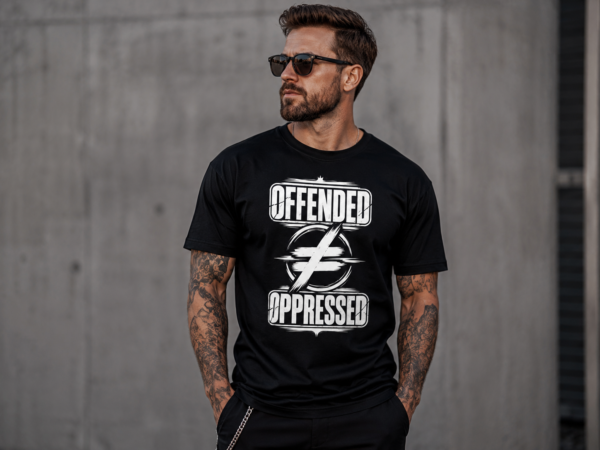
Where the Argument Goes Wrong
Accountability is necessary in any functioning community. It connects a specific action to a proportionate consequence and allows evidence, context and response. Cancel culture removes those safeguards because the spectacle matters more than the correction.
The central question is not whether anyone should face consequences. Of course they should. The question is whether a decentralised crowd, fuelled by partial information and social rewards, is capable of delivering anything resembling justice.
Outrage Moves Faster Than Facts
The first viral version of a story is usually the simplest and angriest. Context arrives later, quietly, after the reputational punishment has already travelled around the world. The trick is subtle: a debatable claim is wrapped in the language of kindness until disagreement sounds cruel. But good intentions do not make an idea correct, and moral confidence is not a substitute for proof.
Employers and institutions respond to the volume of complaints rather than their accuracy. A few hundred determined accounts can manufacture the appearance of universal outrage. The cost lands on ordinary people first. Leaders can move on to the next slogan, but workers, customers, parents and pupils must live with the confusion that the slogan leaves behind.
Slow the process down. Verify the complete record, give the accused a meaningful chance to answer and distinguish a bad moment from a pattern of serious misconduct. The alternative is not cruelty. It is adult pluralism: be civil, argue the point, accept that disagreement is normal and reserve punishment for conduct that causes real, demonstrable harm.
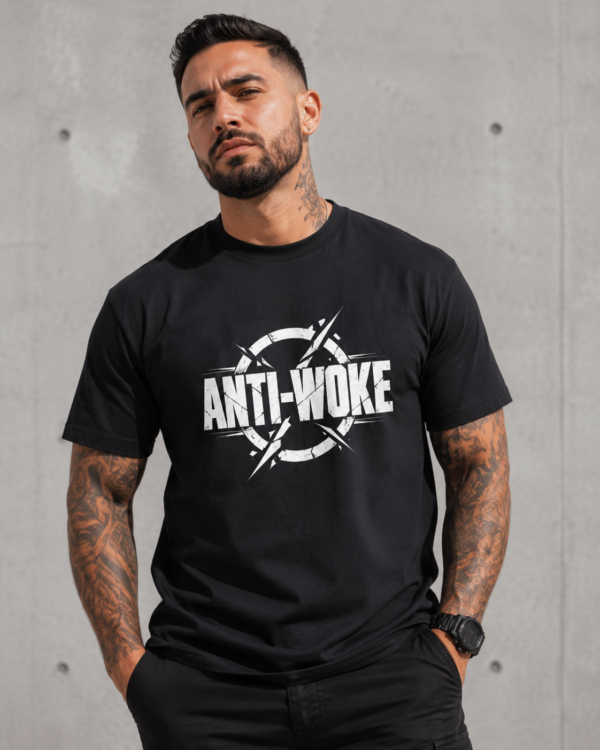
Punishment Has Lost All Proportion
Cancel campaigns routinely demand career-ending consequences for speech that would once have produced an argument, an apology or nothing at all. Every offence is treated as evidence of permanent corruption. This is not a complaint about ordinary courtesy. It is a complaint about turning courtesy into doctrine, doctrine into policy and policy into a loyalty test. Each step makes honest correction harder.
When minor and major wrongdoing receive the same language, moral judgment becomes useless. People stop trusting the outrage because it offers no scale and no route back. It also rewards the least reasonable participant. The person most willing to claim offence gains a veto, while everyone capable of compromise is told to wait quietly. Predictably, more people learn to escalate.
Match consequences to conduct. Criticism is often enough; correction may be useful; dismissal should require a genuinely serious employment reason rather than a trending demand. Real tolerance requires restraint. It means resisting the urge to control every conversation and trusting adults to answer poor arguments with better ones rather than with institutional punishment.
Apologies Become Ammunition
A sincere apology should calm a conflict, yet cancel culture often treats it as proof that the mob was right. The more someone explains, the more sentences are available to reinterpret. The issue is bigger than a silly slogan or an irritating social-media row. Repeated often enough, the habit trains people to judge statements by the speaker’s perceived tribe rather than by whether the statement is true.
People learn the rational response is silence, legal language or a stubborn refusal to concede anything. A culture supposedly built on growth therefore makes growth strategically foolish. Bad incentives rarely stay contained. Once outrage earns attention and compliance, outrage becomes a career skill. The language becomes hotter even when the underlying problem becomes smaller.
Allow apologies to close minor disputes. If no apology is ever sufficient, the stated demand for accountability was never honest; the real objective was humiliation. Respect works best when it is mutual. Ask people to behave decently, certainly, but do not demand declarations of belief as the price of employment, education or ordinary participation.
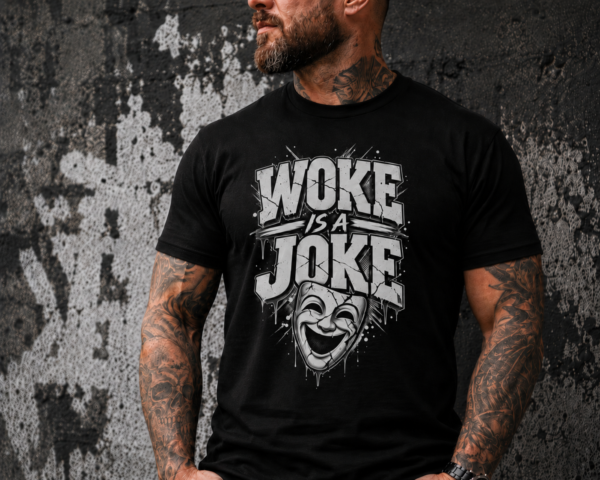
Employers Are Pressured to Perform Panic
Companies frequently issue instant statements or suspend staff to demonstrate that they are listening. Speed becomes a reputational shield even when it prevents a fair investigation. The sensible position is not that feelings never matter. Feelings plainly matter. The mistake is giving one person’s reaction automatic authority over everyone else’s speech, judgment or opportunity.
This teaches employees that online strangers have more influence over their future than evidence or consistent workplace rules. Loyalty disappears because the institution has shown it will not defend a fair process. That gap between public words and private beliefs is corrosive. Colleagues become cautious, friends become suspicious and institutions lose the honest feedback they need to correct mistakes.
Publish a clear conduct policy and follow it under pressure. An employer should investigate actual workplace behaviour, not outsource discipline to whoever can generate the angriest hashtag. A better test is simple: name the goal, show the evidence and apply the same rule to everybody. If an idea cannot survive those three steps, moral urgency does not rescue it; it only hides the weakness for longer.
Conformity Is Not Conversion
A cancelled person may disappear from public view, but everybody watching learns a different lesson: conceal what you think. That is behavioural compliance, not moral persuasion. Once status comes from displaying the approved view, the debate changes. People stop asking what is accurate or useful and start asking what they are expected to say. That is public relations, not thought.
Hidden disagreement becomes more bitter because it cannot be tested or moderated in conversation. The apparent consensus grows at exactly the moment genuine consent is shrinking. A rule designed to prevent discomfort soon produces a different kind of discomfort: the permanent anxiety of not knowing which ordinary phrase, joke or opinion will be reclassified tomorrow.
Choose argument over erasure. Bad ideas should be exposed to criticism, humour and evidence so that observers can understand why they fail rather than merely learning that they are forbidden. The repair begins with viewpoint neutrality. Protect the right to speak for people you dislike, measure everyone by the same standard and let evidence outrank fashionable vocabulary.
The Strongest Defence — and Why It Still Falls Short
The standard defence is that ‘cancel culture is just consequences’. That phrase is convenient because it avoids every important question. Which consequence? Imposed by whom? Based on what evidence? For how long? With what opportunity to respond?
Consequences without proportion or process are not automatically virtuous. A parking offence has consequences, but it does not justify taking someone’s house. Civilised judgment exists in the distance between doing nothing and destroying a life.
Five Reality Checks Worth Applying
Before accepting the fashionable answer on cancel culture, strip away the moral branding and test the proposal as you would any other claim. These checks do not decide every argument automatically, but they force hidden assumptions and trade-offs into the open.
1. The consistency check: Would the rule still seem fair if political roles were reversed? Apply it to both “Outrage Moves Faster Than Facts” and “Employers Are Pressured to Perform Panic”. A principle that becomes unacceptable when an opponent controls it is probably a temporary weapon, not a standard anyone should trust.
2. The evidence check: What observable fact would show that the policy is working, and what result would show that it is failing? If supporters interpret every possible outcome as confirmation, the claim has escaped the world of evidence and entered the safer territory of faith.
3. The incentive check: Ask what behaviour the system rewards. Does it encourage honesty, competence and resolution, or does it make grievance, silence and ideological performance more valuable? People respond to incentives even when the programme describing those incentives uses compassionate language.
4. The proportion check: Compare the proven conduct with the proposed consequence. Woke disputes often jump from a disputed phrase to the language of danger, exclusion or permanent unfitness. Civilised judgment needs a scale; without one, every disagreement becomes an excuse for maximum pressure.
5. The completion check: What would success look like, and could the people running the policy ever admit that the job was finished? A reform that can only expand will eventually serve its administrators more reliably than the public. Worthy causes should be capable of winning.
The Common-Sense Alternative
Rejecting cancel culture does not mean rejecting compassion, fairness or equal dignity. It means refusing to let good words excuse bad reasoning. A more durable approach begins with a few standards that work regardless of who currently holds cultural power.
- Verify first: Do not punish a person from a cropped clip, anonymous claim or viral summary.
- Use proportion: A foolish comment and sustained serious misconduct are not the same offence.
- Permit a response: Nobody should be judged without a fair chance to explain or challenge the facts.
- Allow redemption: If people can never recover, demands that they learn are dishonest.
- Resist the mob clock: A decision does not become better because social media demanded it within an hour.
None of these principles promises a world without offence or conflict. That is not a serious promise. They offer something better: rules that ordinary people can understand, institutions can apply consistently and opponents can challenge without fear.
Frequently Asked Questions
1. Is public criticism cancel culture?
Not by itself. Criticism answers speech with speech. Cancellation begins when the primary goal becomes removing a person from employment, platforms or ordinary participation rather than challenging the idea.
2. Should serious misconduct have consequences?
Absolutely. The anti-cancel argument is strongest when it defends evidence, proportion and due process — not when it pretends every accusation is trivial.
3. Why do companies cave so quickly?
They fear a short-term reputational storm. The mistake is assuming a loud online group represents the wider customer base or that instant punishment will build long-term trust.
4. Does refusing to cancel mean refusing accountability?
No. It means making accountability specific, fair and capable of recognising correction. Mob punishment is not the only alternative to ignoring wrongdoing.
Progress Requires Persuasion
A society cannot punish its way into wisdom. It can make people quieter, more guarded and more skilled at repeating whatever keeps them safe, but that is not moral development.
Real progress comes from better arguments, consistent standards and the possibility of learning. Cancel culture offers the appearance of victory without the difficult work of persuasion. It wins the afternoon and loses the culture.
Rise & Defy exists for people who prefer honest arguments to approved scripts. If that sounds like you, explore the THINK FOR YOURSELF T-Shirt or browse the complete Rise & Defy collection. Wear what you mean. Think for yourself.